Impact & Stories

How this work actually started.

COTA Foundation is young, and we'd rather tell you the truth about the first year than publish numbers we haven't earned. Here is where our programs came from.

Youth · July 2026

Our First Youth Camping Trip
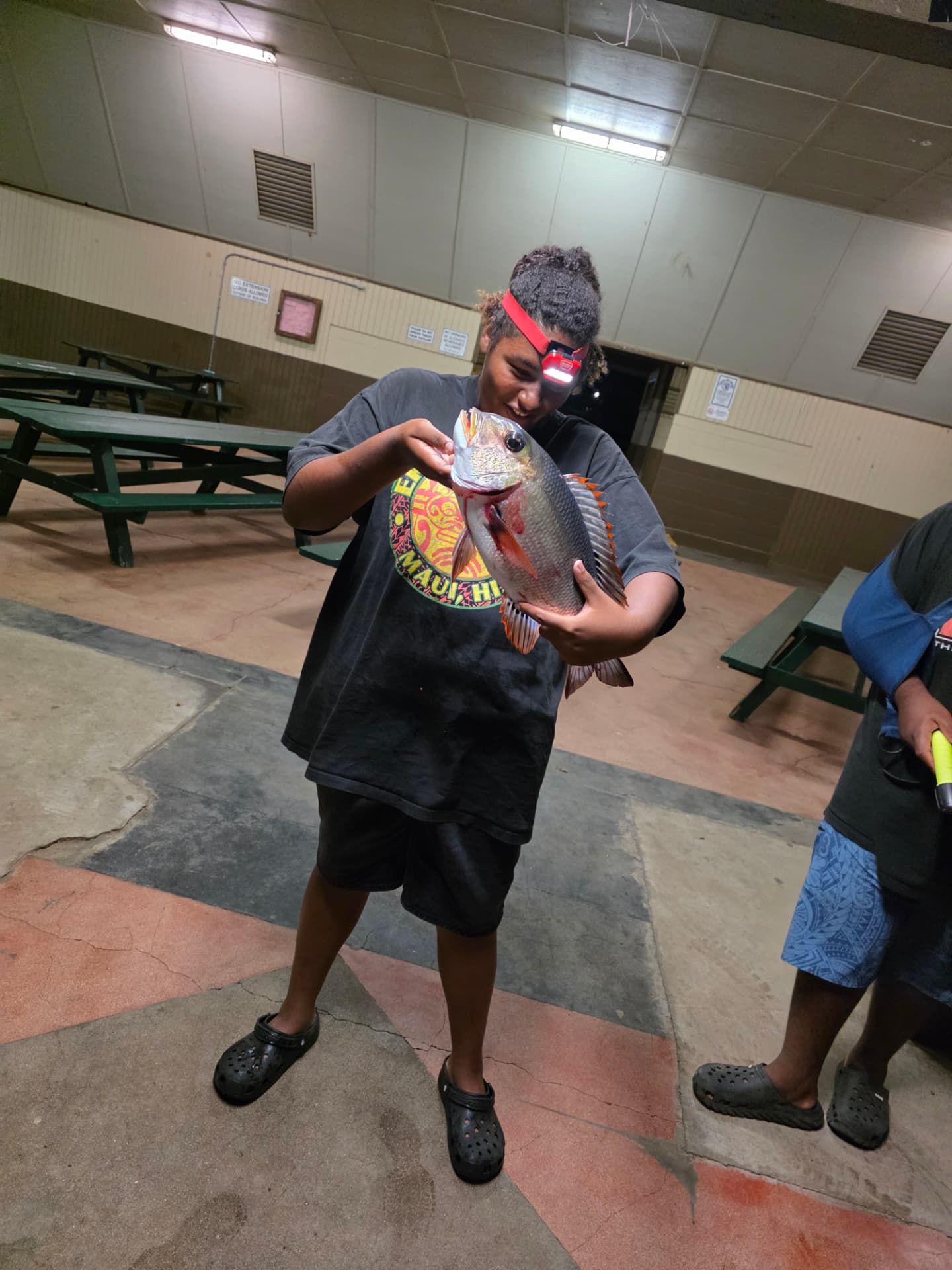
A camper proudly holding a fish caught during the youth camping trip

In July 2026 we took five youth out for a week. That was the whole roster — five. We had no program name, no budget line, and gear borrowed from three different households. What we had was a week, a stretch of Hawaiʻi Island shoreline, and the conviction that these kids deserved someone's full attention for more than an afternoon.

Mornings started with Bible study. Not a lecture — a circle, an open passage, and real questions from teenagers who had been carrying things they hadn't said out loud to an adult before. Some of those conversations went on well past when we planned to move on to the day's activity, and we let them.

Afternoons were skills. Building a fire that actually stays lit. Reading water before you go in. Fishing, diving, swimming — the ordinary competencies of growing up on this island that not every kid gets taught, especially when a household is in survival mode. By day four, youth who had never lit a fire were teaching the ones who arrived a day late.

What changed our plans was what happened between the scheduled things. A kid who was silent on day one leading grace on day five. Two who had never spoken at school splitting the dish work without being asked. We watched a group become responsible for each other over the course of a week.

That week became the Youth Fellowship & Service Camp. We added one requirement that came directly out of what we saw: camp is earned. Youth serve alongside the Community Essentials Program for a year — packing hygiene kits, serving meals, loading trucks — and then they go. Serving first is what makes the week land differently. They arrive knowing they belong there.

Faith · 2026

God Is Intentional: Our First Women's Bible Study

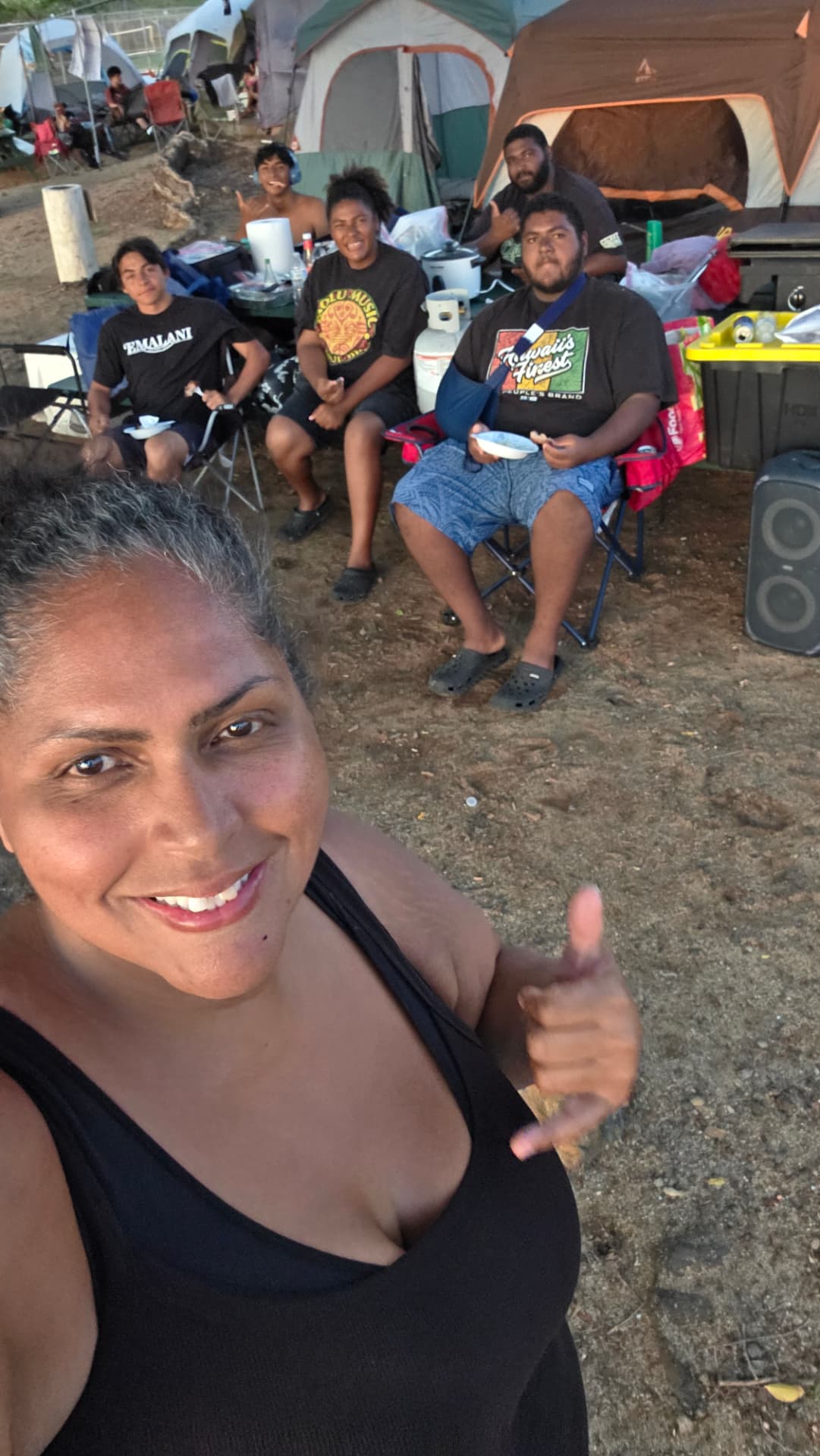
Shaunna Cota with youth gathered around camp chairs sharing a meal

Our first women's Bible study met at Onekahakaha Beach Park. No church building, no sound system, no program printed on cardstock. A picnic table, the water a few steps away, and a handful of women who came because someone personally asked them to.

We had prepared handwritten notes for each woman — actual handwriting, on actual paper, with her name on it. It took hours the night before and it was the right call. Several women held onto those pages for the entire session. One folded hers into her wallet before she left.

There were cookies, and there was a jar of strawberry preserves. It sounds small. It wasn't. Every woman at that table had spent the week feeding other people. Being handed something sweet, made and brought specifically for you, does something that a well-organized meeting cannot do on its own.

The theme that emerged was that God is intentional. Nothing that morning was accidental — not the location, not the notes, not the preserves. And the women there recognized the pattern in their own lives too: the provision that arrived in the exact week it was needed, the person who called on the hardest day.

Physical nourishment and spiritual nourishment showed up together at that table, and that has shaped how COTA does everything since. We don't hand out a meal and separately offer faith. We set a table, we sit down at it too, and both are present.

Community · 2026

Listening First: Our Community Needs Survey

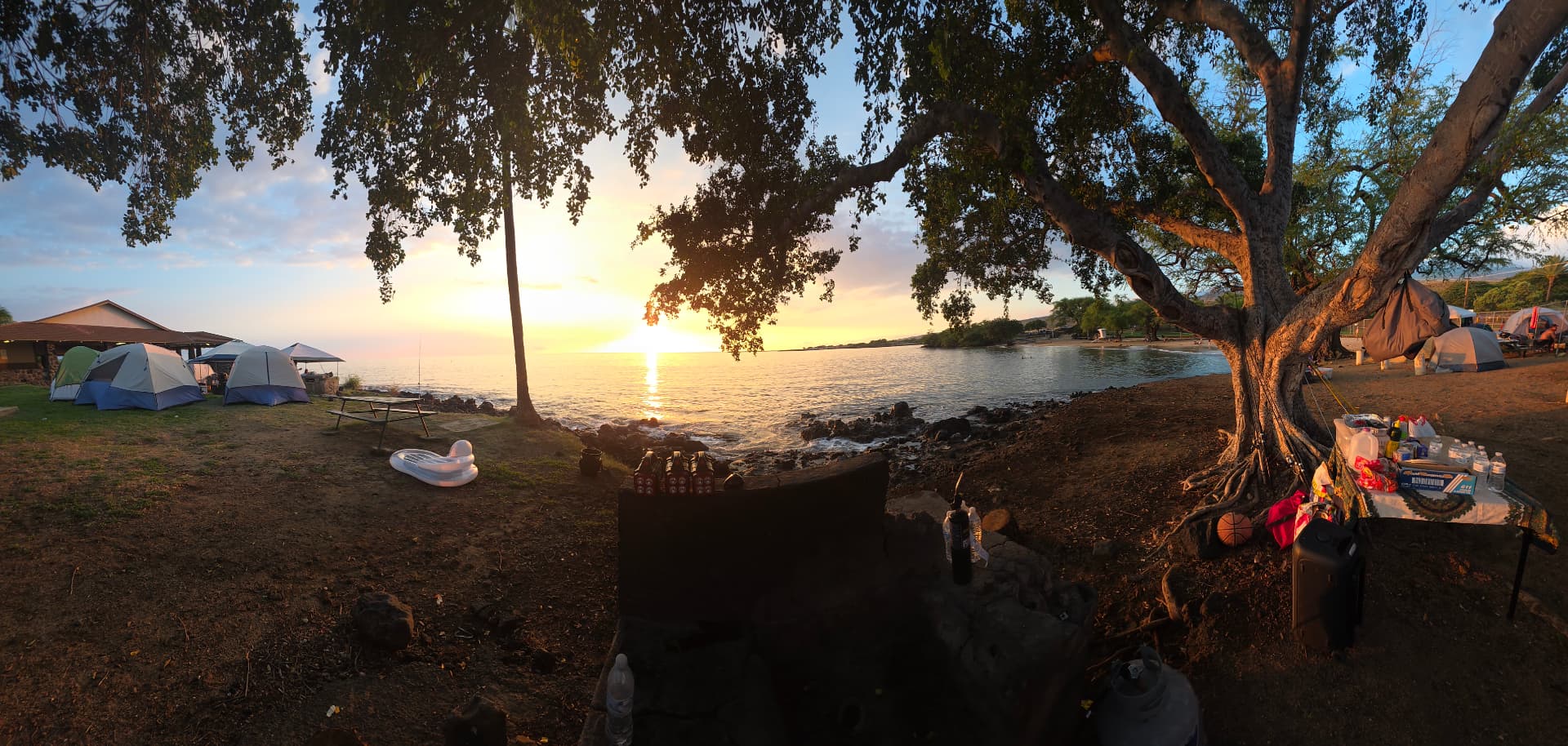
Sunset over the ocean at the Hawaiʻi Island beach park camp site

Before designing a single program, we launched a community needs survey across Hilo. It would have been faster to assume. Plenty of well-meaning organizations have arrived on Hawaiʻi Island with a fully built program and discovered, months in, that it solved a problem nobody actually had.

We asked plain questions. What runs out first in your household each month? What has kept you from applying for help before? What would have made the difference last year? We asked at the farmers market, at beach parks, in parking lots, and through people who already had trust in their own circles.

The answers reshaped our plans in three concrete ways. First, people described needs as bundled, not separate — the same week the food runs out is the week the soap and the school clothes run out. That's why the Community Essentials Program distributes food, hygiene, clothing, and household goods together instead of running four separate programs.

Second, the barrier people named most often was not eligibility but the process itself: too many forms, too many offices, too many times explaining a hard situation to a stranger. That's why our Get Help page is a single form and a phone call from a real person.

Third, families kept describing the cost that stopped an education plan — a certification fee, a semester, a laptop. Not tuition in the abstract, a specific number. That's the shape of the Scholarship & Family Support Fund.

We are still collecting responses, and we will keep adjusting. The survey isn't a milestone we passed. It's how this organization intends to keep operating: listen first, then build.

Help write the next chapter with us.